
Notice: Function _load_textdomain_just_in_time was called incorrectly. Translation loading for the pafe domain was triggered too early. This is usually an indicator for some code in the plugin or theme running too early. Translations should be loaded at the init action or later. Please see Debugging in WordPress for more information. (This message was added in version 6.7.0.) in /home/bestmal1/public_html/doc2home.my/wp-includes/functions.php on line 6131

Notice: Function _load_textdomain_just_in_time was called incorrectly. Translation loading for the wpforms-lite domain was triggered too early. This is usually an indicator for some code in the plugin or theme running too early. Translations should be loaded at the init action or later. Please see Debugging in WordPress for more information. (This message was added in version 6.7.0.) in /home/bestmal1/public_html/doc2home.my/wp-includes/functions.php on line 6131

Notice: Function _load_textdomain_just_in_time was called incorrectly. Translation loading for the twentytwenty domain was triggered too early. This is usually an indicator for some code in the plugin or theme running too early. Translations should be loaded at the init action or later. Please see Debugging in WordPress for more information. (This message was added in version 6.7.0.) in /home/bestmal1/public_html/doc2home.my/wp-includes/functions.php on line 6131
Uncategorized – Page 2 – DOC2HOME
Categories
Uncategorized

Ageing and Diabetes

Will I get diabetes when I am getting older

It is possible!

In fact, diabetes is a common health condition in the ageing population. 1
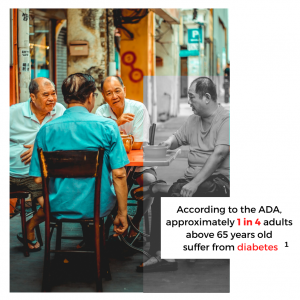
According to the American Diabetes Association (ADA), diabetes is a common health condition in the ageing population, and over one-quarter of adults > 65 years old suffer from diabetes and half of the older population have pre-diabetes. 1

The older diabetic population can be very diverse, in regards to its race/ethnicity, duration of diabetes, medical conditions, and functional status, which can complicate the treatment and care for this population. 2

Let’s understand more about diabetes!

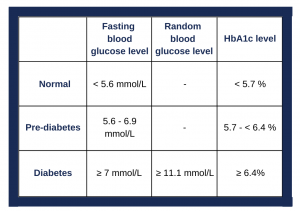
Pre-diabetes is when the blood sugar levels are higher than normal range but not high enough to be categorized as diabetes3

Diabetes is when the blood sugar levels are too high. There are 2 main types of diabetes which are Type 1 diabetes and Type 2 diabetes. Type 2 diabetes is the most common type of diabetes in middle-aged and older adults

Know your blood sugar levels now! 4,5

If you find any difficulties in understanding blood sugar levels, TALK TO YOUR DOCTOR!

Fasting blood glucose test is a blood test in which the blood sample is taken, with the requirement of overnight fasting. 5  It is normally done after at least 8 hours of fasting and hence, usually taken in the morning. 6

Random blood glucose test is a blood test in which the blood sample is taken randomly. No fasting is required. 5

HbA1c test is a blood test in which the blood sample is taken to measure the average blood glucose levels over the past three months. It does not require fasting. It can show how much blood sugar is bound to haemoglobin, the oxygen-carrying protein in red blood cells. 5

What are some common elderly syndromes that are associated with diabetes?

In general, older adults may be experiencing some of the following age-related conditions, which may affect their abilities to self-manage their diabetes. 1

Getting forgetful

Whether or not you are having diabetes, you are RECOMMENDED to have an annual screening on your cognitive function. If you have cognitive impairment, which affects your ability to remember, learn or concentrate, it could affect your ability on self-managing your diabetes! 1,7

Falls

Did you know that older women with diabetes are more vulnerable to injurious falls? The increased risk of falls is associated with higher rates of fractures. Treatment with insulin was associated with 2 times greater risk of foot fracture, likely because insulin treatment indicated more advanced diabetes. 2

What are some health tips for older adults?

Healthy Eating Habits

Do you like to eat fast food? Have you ever tried brown rice? For a healthy eating habit, try foods like brown rice and whole-grain bread, as well as vegetables and selected fruits that are rich in nutrients and low glycemic index. Eat LESS packaged foods and LIMIT your salt, sugar and fat intake too! 8

Physical Activities

Do not forget to exercise while maintaining a healthy diet. Studies show that doing physical activities at least 3 times a week can improve our health! Activities such as brisk walking or bike riding, gardening, yoga, tai chi and chair aerobics are some of the options for you. 8


Medically reviewed by Ng Ming Lee, MD

References:

  1. ADA. 12. Older Adults: Standards of Medical Care in Diabetes—2021. Available at: https://care.diabetesjournals.org/content/44/Supplement_1/S168. Accessed on: 29th September 2021
  2. NIDDK. Chapter 16: Diabetes in Older Adults. Available at: https://www.niddk.nih.gov/-/media/Files/Strategic-Plans/Diabetes-in-America-3rd-Edition/DIA_Ch16.pdf. Accessed on: 29th September 2021
  3. National Institute on Aging. Diabetes in Older People. Available at: https://www.nia.nih.gov/health/diabetes-older-people. Accessed on: 29th September 2021
  4. MOH Clinical Practice Guidelines. Management of Type 2 Diabetes Mellitus. 6th Edition. Available at https://www.moh.gov.my/moh/resources/Penerbitan/CPG/Endocrine/QR_T2DM_6th_Edition_QR_Guide_Digital.pdf. Accessed on: 20th October 2021.
  5. Mayo Clinic. Diabetes. Available at https://www.mayoclinic.org/diseases-conditions/diabetes/diagnosis-treatment/drc-20371451. Accessed on: 20th October 2021.
  6. Diabetes.co.uk. Blood Sugar Level Ranges. Available from https://www.diabetes.co.uk/diabetes_care/blood-sugar-level-ranges.html. Accessed on: 22th October 2021.
  7. CDC. Cognitive impairment: A Call for Action, Now!. Available at: https://www.cdc.gov/aging/pdf/cognitive_impairment/cogimp_poilicy_final.pdf. Accessed on: 6th October 2021
  8. NIDDK. Health Tips for Older Adults. Available at https://www.niddk.nih.gov/health-information/weight-management/healthy-eating-physical-activity-for-life/health-tips-for-older-adults. Accessed on: 29th September 2021
  9. International Diabetes Federation. Covid-19 and diabetes. Available at https://www.idf.org/aboutdiabetes/what-is-diabetes/covid-19-and-diabetes/1-covid-19-and-diabetes.html. Accessed on: 20th October 2021.
Categories
Uncategorized

How Do Medicines For High Blood Pressure Work?

High blood pressure, also known as hypertension, is a common medical condition in Malaysia and all around the world – 30% of Malaysian adults have hypertension; 15.9% of them know they have it, whereas 14.1% of Malaysian adults have hypertension but they are unaware about it! 

Having high blood pressure puts you at risk for heart attack, stroke, kidney damage, and other serious problems. Nevertheless, many people do not take it seriously enough because high blood pressure is a silent killer – many high blood pressure patients don’t feel anything until they start to suffer from its complications.

Who needs medicines for high blood pressure?

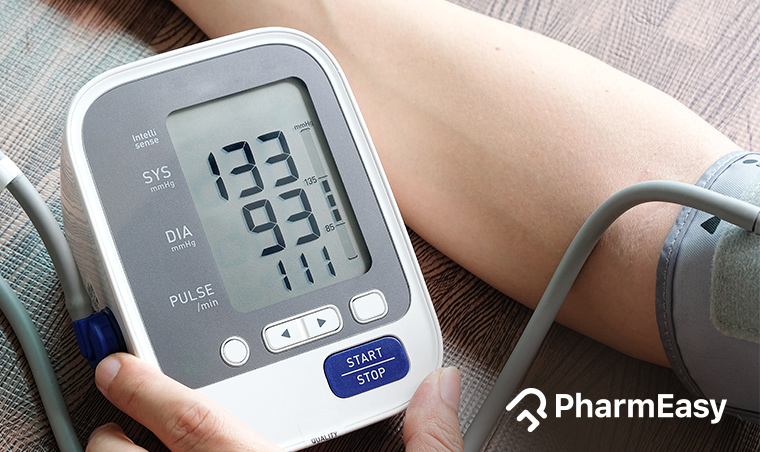
Hypertension is defined as a persistent elevation of systolic BP of 140mmHg or greater and/or diastolic BP of 90 mmHg or greater. Although you can monitor your own blood pressure using devices, only a doctor can diagnose you with high blood pressure/hypertension. 

Depending on the other medical conditions that you might have in addition to hypertension (e.g. type 2 diabetes, kidney disease, other heart conditions), the blood pressure threshold for you may be different. For instance, if you have hypertension AND diabetes alongside with chronic kidney problem, your doctor will aim for a more stringent blood pressure control of less than 130/80mmHg. This is because your risk of developing heart disease is higher when you do have other concurrent medical condition. Hence, it is important to start treatment early and ensure a better blood pressure control.

If you have been diagnosed by a doctor with high blood pressure, chances are you will be started on at least one type of medication. The medication prescribed to you by your doctor for hypertension is aimed to reduce your blood pressure to an optimal level, thus reducing the risk of the aforementioned health problems and even helping you live longer. 

Medicines for high blood pressure

In general, there are four major classes of medicines that are used for controlling high blood pressure:

Angiotensin-converting enzyme inhibitors (ACE-I) and Angiotensin II receptor blockers (ARB) [e.g. ACE-I: enalapril, perindopril, captopril, lisinopril. ARB: losartan, valsartan, telmisartan]

Both ACE-I and ARB work in similar ways. There is a compound in our body called angiotensin II that is a powerful vasoconstrictor – it constricts your blood vessels, which raises your blood pressure; it also promotes the retention of sodium, which further increases your blood pressure. ACE-I and ARB lower your blood pressure by blocking angiotensin II from working. 

A common side effect of ACE-I is dry cough. If you experience dry cough while taking ACE-I, talk to your doctor and they may switch you to an ARB.

Calcium channel blockers (e.g. amlodipine, felodipine)

Calcium channel blockers (CCB) work in various ways. One of the ways CCB reduces blood pressure is by promoting the relaxation of our blood vessels (vasodilation). If you have high blood pressure and some other heart problems, scientific data shows that CCB is useful in reducing cardiovascular death, major cardiovascular events, stroke, and heart failure.

Beta-blockers (e.g. bisoprolol, carvedilol, metoprolol)

Besides lowering blood pressure, beta blockers help reduce the amount of work the heart has to do. Although it may not be as useful as other medicines in lowering blood pressure, if you have had a heart attack before or have heart failure in addition to high blood pressure, beta-blockers are beneficial. 

When people first start taking beta-blockers, they sometimes feel tired. That is just while the body gets used to the medicine. But once the body gets used to beta blockers, the medicines can really help. If your doctor prescribes a beta blocker, give it a little time to start working.

Diuretics (e.g. hydrochlorothiazide, frusemide)

Diuretics are also known as “water pills”, because they make you pee more often. This helps to get rid of fluid in your circulation, thus reducing blood pressure. It is generally safe, but some side effects may occur, such as dizziness, frequent urination, sodium loss, and abnormal blood potassium levels. It is recommended to be taken during the daytime. This is because you will be waking up quite often to pee if it is taken at night time.

Stay on track with your high blood pressure treatment

In most cases, patients with high blood pressure take a combination of those medications above for better blood pressure control. There are many medicines for high blood pressure that actually contain a combination of two different classes of drugs inside them.

During your high blood pressure treatment, you may experience some side effects, such as dizziness, fatigue, and dry cough. If you think the discomfort you’re having is associated with your high blood pressure treatment, talk to your doctor. Do not stop your treatment without consulting your doctor first.

High blood pressure treatments do not include herbs or traditional medicines. Perhaps you have heard about the recently acclaimed superfood sacha inchi (a plant that’s often cultivated for its large, nut-like seeds. These seeds are highly nutritious and may be associated with several health benefits) that can be used for the treatment of high blood pressure, high cholesterol level, and high blood sugar level. Indeed it improves cholesterol levels, increases weight loss, and improves gut health. However, more research in humans is needed to confirm these promising results. Sacha inchi is not a proven treatment option for hypertension. Make sure you talk to your doctor before you start introducing taking any traditional medication or herbs as they may interact with other medications as well. 


Medically reviewed by Ashwini Nair, MB BCh BAO.

References:

  1. Overview of hypertension in adults – UpToDate. Accessed May 13, 2022. https://www.uptodate.com/contents/overview-of-hypertension-in-adults?search=Overview%20of%20hypertension%20in%20adults&source=search_result&selectedTitle=1~150&usage_type=default&display_rank=1

  2. Choice of drug therapy in primary (essential) hypertension – UpToDate. Accessed May 13, 2022. https://www.uptodate.com/contents/choice-of-drug-therapy-in-primary-essential-hypertension?search=Choice%20of%20drug%20therapy%20in%20primary%20(essential)%20hypertension&source=search_result&selectedTitle=1~150&usage_type=default&display_rank=1