Individuals can be easily exposed to these chemical compounds by touching the contaminated surfaces or breathing in the lingering gasses left on these surfaces. Thirdhand smoke can be particularly toxic if it reacts with common indoor pollutants. Together, they can create toxic mixtures which threaten the health of non-smokers — especially infants and young children. They are most vulnerable when it comes to smoking effects.
How does it affect non-smokers?
Thirdhand smoke is almost unavoidable if you have a family member who smokes. Although third-hand smoke is a relatively new concept and not fully understood, it can affect everyone in your family regardless of age.

Infants
Thirdhand smoke exposure may cause sudden infant death syndrome (SIDS), which is commonly known as unexplained death in children below 1 year of age, usually in their sleep. . Besides, it may also causes some health risks such as recurrent respiratory problems.

Children
Young children are considered to be one of the most vulnerable groups of people when it comes to third-hand smoking. This is because children, while busy exploring the world using their senses, are bound to touch surfaces and tend to put their hands and objects near their mouth. It is shown that children who are exposed to thirdhand smoke are more likely to have:
- Asthma
- Ear infections
- Frequent respiratory illnesses such as pneumonia

Adults
Although adults are not as vulnerable as infants or children, that does not mean that they are immune from the effects of it. In fact, they may cough more often, as well as at a higher risk of cancer later in life, especially lung cancer, from the repeated smoke exposure. Moreover, it may also lead to other cancers such as: :
-
Cervical cancer
-
Oral cancer (mouth)
-
Renal cancer (kidneys)
-
Bladder cancer
-
Laryngeal/pharyngeal cancer (throat)
-
Pancreatic cancer (pancreas)

Pregnant women
Thirdhand smoke exposure can affect the unborn baby as pregnant women are at risk of taking in toxins from the smoke into the bloodstream, which can then transfer over to the fetus. A baby’s exposure to thirdhand smoke can lead to respiratory illnesses after birth.
So, how to remove the smoke residue on the surfaces?
Thirdhand smoke cannot be removed by leaving windows opened, using fans or air conditioners. Here are some tips for you to eliminate the residual chemicals left on the surfaces:
- Wash all your clothing, bedding and linens
- Thoroughly mop all hard surfaces
- Get your carpet and rugs professionally cleaned
- Clean all toys with soap and water regularly
- Wash all other fabrics around your home, including furniture
- If you can still smell the residue after cleaning, you probably didn’t clean them properly! A thorough cleaning is required, as there is still some residue left on the surfaces.
All in all
Thirdhand smoke is a relatively new concept, and researchers are still studying its possible dangers. In the meantime, the only way to protect non-smokers from thirdhand smoke is to create a smoke-free environment. If you are contemplating to quit smoking and need assistance with it, feel free to reach out to our doctors at DOC2HOME App.
Medically reviewed by Ashwini Nair, MB BCh BAO.
References:
- Thirdhand Smoke: Babies, Symptoms, SIDS, Effects, and More. Accessed May 28, 2022. https://www.healthline.com/health/thirdhand-smoke
- The dangers of thirdhand smoke. Mayo Clinic. Accessed May 28, 2022. https://www.mayoclinic.org/healthy-lifestyle/adult-health/expert-answers/third-hand-smoke/faq-20057791
It is something so common that most of us have heard of various ways to treat burn from medications to natural remedies like aloe vera to products like toothpaste. But are they all helpful?
If it is not confusing enough, burn is further classified into 4 degrees (based on the burn depth) with each degree requiring a different method of management respectively.
Categories of burn 
1st degree – Superficial, local inflammation of the skin. Symptoms include pain, redness, and mild swelling. Eg. Sunburns.
2nd degree – Deeper (symptoms of 1stdegree + blistering of the skin.)
3rd degree – Involves all layers of the skin, rendering damage to the nerves and blood vessels. This burns normally appear white and leathery and tend to be relatively painless.
4th degree – Most severe form as it penetrates through fats, muscles, bones and joints.

First of all, if you or your child obtained a burn wound. The first thing to do is assess which level of burn it is. As mentioned, burn is classified into 4 degrees based on the depth of the skin affected.
Burns that can be treated at home are Grade I and II (only if it is less than 20% of your body and you are NOT a child), which are of course the milder versions. A burn grade of III & IV would require immediate medical attention.
How to manage burn immediately at home (for 1st and 2nd degree burns only)
1. Stop the burning process, move away from the burning process or remove the person from the area. Remove any clothing or injury near the burn area including a baby’s diapers. If the clothing is stuck to the skin, do not try to remove it on your own but seek emergency medical care.
2. Run cool water over it for 20 minutes (not ice) to cool the skin down, reduce pain and prevent the burn from worsening (burning through deeper layers of the skin).
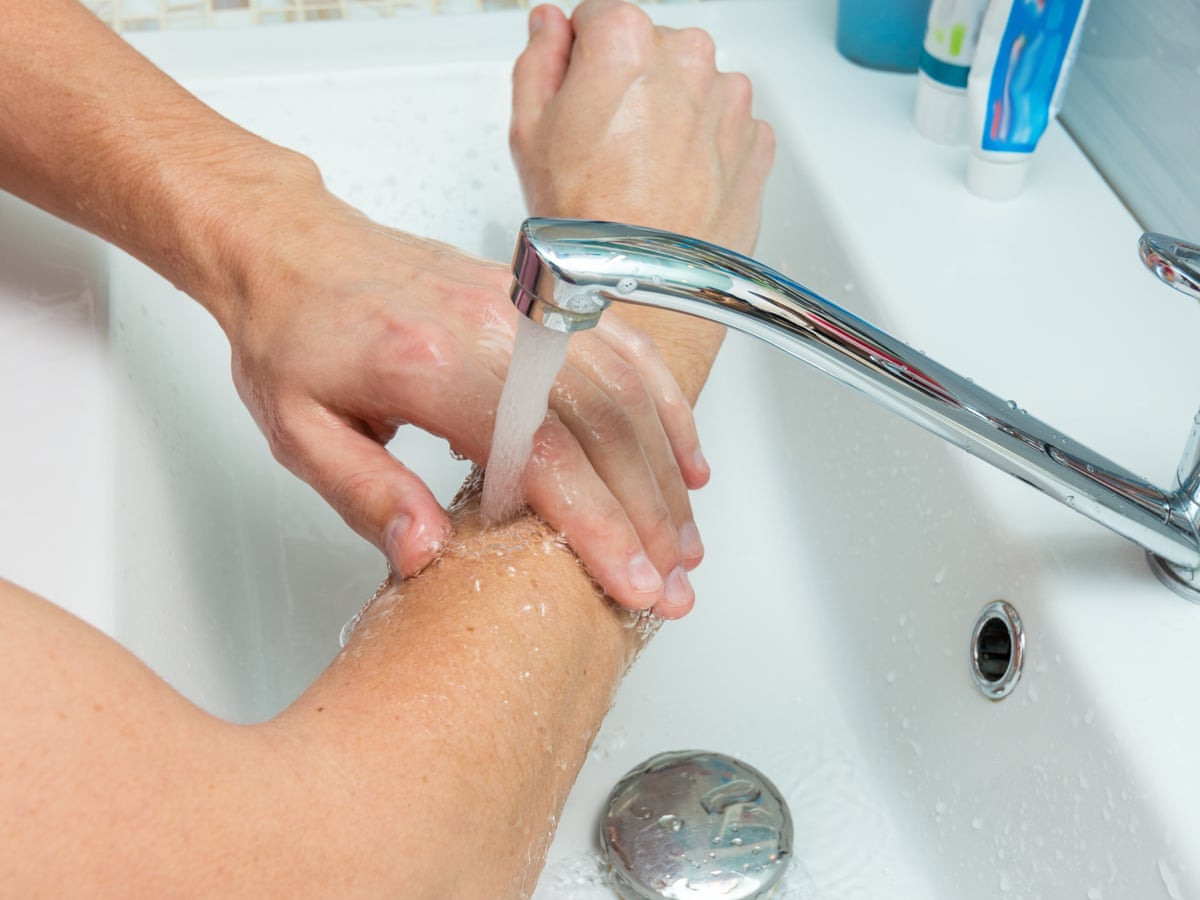
3. After cooling the burn area, it is essential to debride (removal of damaged tissue and foreign objects) and clean the burn area gently with any mild antibacterial soap or any soap for the matter and then apply an antibacterial cream on top of it. This will help to prevent infection which could worsen the burn and prolong the healing process. Not removing the damaged tissue could invite infection as it is a good place for bacteria to thrive. If you have blisters, they will usually break open and drain on its own, do not break it open yourself as it may increase the risk of infection. If you have not had a tetanus shot in the past five years and your burn is superficial partial-thickness or deeper, you need a tetanus booster vaccine.
4. Covering the wound helps to prevent dirt from entering the wound whose skin barrier is no longer intact anymore. One need not cover the wound too tightly and the usage of a sterile transparent plastic wrap placed over the burn has been proven to be helpful to prevent infection.
5. Antibiotic cream or ointments may help to prevent infection, therefore, speeding up the healing process.

6. Over-The-Counter pain medications. Pain is somewhat inevitable when one suffers from a first or second-degree burn as your receptors are exposed or damaged but not dead. Pain medication may help to reduce pain, inflammation, and swelling. NSAIDs such as Paracetamol and Ibuprofen may provide the relief needed.
7. Aloe vera. Aloe vera has a reputation with many skin products and it is not in vain as it is a proven age-old natural remedy. It has anti-inflammatory and anti-bacterial properties which are mother nature’s way of helping us with burns.

When to see a doctor or go to the hospital?
-
large or deep burns bigger than the affected person’s hand
-
burns of any size that cause white or charred skin
-
burns on the face, hands, arms, feet, legs or genitals that cause blisters
-
all chemical and electrical burns
-
has other injuries that need treating
-
is going into shock – signs include cold, clammy skin, sweating, rapid, shallow breathing, and weakness or dizziness
-
pregnant
-
> 60 years old OR < 5 years old
-
has a medical condition, such as heart, lung or liver disease, or diabetes
-
has a weakened immune system (the body’s defence system) – for example, because of HIV or AIDS, or because they’re having chemotherapy for cancer
-
If someone has breathed in smoke or fumes, they should also seek medical attention.
Unproven remedies that may worsen burn
- Oils & Butter – they trap heat which may worsen the burn process and increase skin damage
- Toothpaste & Egg Whites – Both are non-sterile and may help bacteria to spread in the burn area
- Ice – Ice is not the same as cool water. As running cool water helps in stopping the burn process, ice may further cause skin irritation. One may even experience a cold burn
Written By Dr. Jessamine Chong Sze Lynn
Reference:
1. https://www.nejm.org/doi/full/10.1056/NEJMra1807442
2. https://www.uptodate.com/contents/skin-burns-beyond-the-basics#H10
3. https://www.medicalnewstoday.com/articles/319768.php
4. https://www.nhs.uk/conditions/burns-and-scalds/treatment/
Picture reference:
2. http://healthcentral.nz/wp-content/uploads/2014/10/burn.jpg
3. http://www.fiegerlaw.com/images/blog/shutterstock_247151131.3)-min.jpg
4. https://www.legaldefenders.com/wp-content/uploads/2016/09/burn-injuries-806×449.jpg
5. https://www.rcemlearning.co.uk/reference/major-trauma-burns/
]]>
However, the fact that it’s common doesn’t mean that one should take it lightly: hypertension is the leading risk factor for cardiovascular disease and deaths worldwide. Take Malaysia for example: 6.4 million people in Malaysia have hypertension and only half of them are aware that they have the disease. Among these people who are aware, although 90% of them are having medical treatment, only 45% have their blood pressure controlled.
The prevalence of hypertension is rising globally owing to ageing of the population and poor lifestyle choices including unhealthy diets (i.e. high sodium and low potassium intake) and lack of physical activity.
WHAT IF YOUR HYPERTENSION IS UNTREATED?
Hypertension is called a “silent killer” for a reason: it produces little or no symptoms at first. You may feel perfectly fine even if you have hypertension. However, the consequences may catch up sooner or later if you don’t do something about it.

Untreated hypertension can lead to many serious consequences, such as:
Stroke
Scientists found that as blood pressure rises above 110/75 mmHg, the risk of heart diseases and stroke increase gradually. Medical treatment for high blood pressure is therefore crucial. Studies have shown that long-term hypertension treatment can bring about 35 to 40 percent reduction in stroke risk.
Chest pain (angina) and heart attack
Heart attack occurs when the blood supply to the heart is blocked and heart muscle cells die from lack of oxygen. The longer the blood flow is blocked, the greater the damage to the heart.
Intracerebral haemorrhage
It is the bleeding within the brain tissue, which can in turn lead to another type of severe stroke called a haemorrhagic stroke
Heart failure
Heart failure is a progressive disease with a very high death rate. Even if one doesn’t die of heart failure, the symptoms of heart failure can be unbearable that they lose the enjoyment in life.
Chronic kidney disease (CKD)
If you have CKD, it means that your kidney doesn’t work well. This can bring about many other health problems as the kidney is the main filter for our body. CKD cannot be cured or reversed; it can only be slowed down. Once the performance of your kidney further deteriorates, you’ll eventually experience end-stage kidney disease, in which your kidney fails and you now may require dialysis to sustain your life.
IT’S NEVER TOO LATE TO CONTROL YOUR BLOOD PRESSURE
Hypertension can leave unimaginable consequences, fortunately it’s mostly preventable! Here are some prevention tips you can adopt:
-
Reducing salt intake (to less than 5g daily)
-
Eating more fruit and vegetables
-
Being physically active on a regular basis
-
Don’t smoke or quit smoking if you do
-
Reducing alcohol consumption
-
Limiting the intake of foods high in saturated fats
-
Eliminating/reducing trans fats in diet
If you’re a long-time reader of DOC2US, these tips are surely familiar to you. We all know what it takes to live a healthy lifestyle, the dealbreaker lies within our discipline to make them a habit.
My brain when faced with junk food with high sodium:

If you already have hypertension, do know that it cannot be cured and you’re required to be on a long-term treatment. With that being said, there are still things you can do to ensure the blood pressure is well-controlled, so that you can reduce the risk of complications mentioned above.
-
Reducing and managing mental stress
-
Regularly checking blood pressure – Invest some money into buying a registered, well-calibrated and high-quality automated blood pressure device from any pharmacy. You may consult the pharmacist for advice. To learn how to use the device properly, you may consult any healthcare professional or take a free online course here.
-
Treating high blood pressure – Remember to take your blood pressure medications as advised by the doctor or pharmacist, and attend your regular health check-up. Even if you find that your blood pressure has returned normal, do not stop taking medications, because if you do, the pressure will rise again.
-
Managing other medical conditions – Some medical conditions can also lead to high blood pressure, called secondary hypertension. Examples are obstructive sleep apnea, chronic kidney disease (yes, hypertension can cause CKD, but the relationship also goes the other way around), renal artery stenosis and primary aldosteronism. If you have any of these medical conditions, do make sure that you work with your healthcare provider to manage them well so that they don’t further worsen your hypertension.

Medications to look out for hypertension
Many people with hypertension have multiple diseases and are taking many different medications. Here are some medications that may worsen hypertension:
-
Birth control pill, particularly those containing higher doses of estrogen
-
Nonsteroidal antiinflammatory agents (NSAIDs), commonly used as painkillers and to reduce fever. The risk of hypertension is even higher for those who take NSAIDs for a long-term basis.
-
Corticosteroids, a medication that is commonly used to reduce inflammation, treat severe asthma and certain autoimmune diseases.
-
Sodium-containing antacids, which are commonly used to relieve heartburn and indigestion
-
Long-term use of decongestants that contain phenylephrine and pseudoephedrine
-
Antidepressants that include tricyclic antidepressants, selective serotonin reuptake inhibitors, and monoamine oxidase inhibitors
This is a non-exhaustive list. If you have hypertension and are taking any of the above medications, do not stop taking them immediately without your doctor’s advice. Instead, consult your doctor to discuss if these medications are really playing a big role in the worsening of your blood pressure control. Most people’s worsening blood pressure control is still due to poor lifestyle choices and not taking blood pressure medication as directed.

Written by DOC2US Editorial Team.
REFERENCES
- 2017 ACC/AHA/AAPA/ABC/ACPM/AGS/APhA/ASH/ASPC/NMA/PCNA Guideline for the Prevention, Detection, Evaluation, and Management of High Blood Pressure in Adults: A Report of the American College of Cardiology/American Heart Association Task Force on Clinical Practice Guidelines. doi:10.1161/HYP.0000000000000065
- Definition, risk factors, and evaluation of resistant hypertension – UpToDate. Accessed May 30, 2021. https://www.uptodate.com/contents/definition-risk-factors-and-evaluation-of-resistant-hypertension?search=Definition,%20risk%20factors,%20and%20evaluation%20of%20resistant%20hypertension&source=search_result&selectedTitle=1~150&usage_type=default&display_rank=1
- Hypertension. Accessed May 30, 2021. https://www.who.int/news-room/fact-sheets/detail/hypertension
- Overview of hypertension in adults – UpToDate. Accessed May 30, 2021. https://www.uptodate.com/contents/overview-of-hypertension-in-adults?search=Overview%20of%20hypertension%20in%20adults&source=search_result&selectedTitle=1~150&usage_type=default&display_rank=1
According to the Ministry of Health, the prevalence of chronic kidney disease (CKD) in Malaysia increased from 9.1% to 15.5% (2011-2018). One of the causes is the late detection of kidney disease. CKD has no or minimal symptoms until it reaches late stages that are stages 4 and 5.
Chronic kidney disease (CKD) cannot be cured, but you can take action to protect and prevent your kidneys from more damage. The sooner you know you have kidney disease, the better you can maintain the function of your kidney for it to last longer. That’s why it is important for you to know the signs of kidney disease.
-
Fatigue, lack of energy, or difficulty to concentrate
A big decline in kidney function can result in an accumulation of toxins and impurities in the blood. This can make people exhausted, weak, and find it difficult to concentrate. Anemia, which can cause weakness and exhaustion, is another symptom of kidney illness.
-
Insomnia
When the kidneys cannot filter properly, toxins stay in the blood instead of leaving the body through urine. This can make it difficult to fall asleep. Compared with the general population, patients with chronic kidney disease are more likely to have sleep apnea.
-
Dry and itchy skin
A healthy kidney is responsible for many important tasks. They remove waste and excess fluid from your body, help produce red blood cells, help keep bones strong, and work hard to maintain the right amount of minerals in the blood. Dry and itchy skin may be a sign of mineral and bone disease which is usually accompanied by advanced kidney disease, when the kidneys can no longer maintain the correct balance of minerals and nutrients in the blood.

-
Increase in the urge to urinate
If you feel that you need to urinate more frequently, especially at night, this may be a sign of kidney disease. When kidney function decrease, it causes an increase in the urge to urinate. Sometimes this may also be a sign of male urinary tract infection or an enlarged prostate.
-
Blood in the urine
Healthy kidneys usually retain blood cells in the body when filtering waste products in the blood to produce urine, but when the kidney’s filter is damaged, these blood cells will start to “leak” into the urine. In addition to signaling kidney disease, blood in the urine may also indicate tumors, kidney stones, or infections.
-
Foamy Urine
Excessive bubbles in the urine, especially those that need you to flush a few times to disappear, indicate protein in the urine. This foam may look like the foam you see when scrambled eggs, because the common protein albumin in the urine is the same as the protein in eggs.
-
Persistent puffiness around the eyes
Protein in the urine is an early sign of damage to the kidney filter, causing the protein to leak into the urine. Puffiness around the eyes may be due to your kidneys leaking a lot of protein in the urine instead of keeping it in the body.
-
Swollen ankles and feet
Decreased kidney function can cause sodium retention, leading to swelling of the feet and ankles. Swelling of the lower limbs can be a sign of heart disease, liver disease, and chronic leg vein problems as well.

-
Poor appetite
This is a very common symptom, but the accumulation of toxins caused by decreased kidney function may be one of the reasons.
-
Muscles cramp
Electrolyte imbalance may be caused by impaired kidney function. For example, low calcium levels and poorly controlled phosphorus can cause muscle cramps.
Written by DOC2US Editorial Team.
REFERENCES:
-
Managing Chronic Kidney Disease | NIDDK. National Institute of Diabetes and Digestive and Kidney Diseases. Accessed October 11, 2021. https://www.niddk.nih.gov/health-information/kidney-disease/chronic-kidney-disease-ckd/managing
-
10 Signs You May Have Kidney Disease. National Kidney Foundation. Published December 17, 2020. Accessed October 11, 2021. https://www.kidney.org/news/ekidney/august14/10_Signs_You_May_Have_Kidney_Disease
Why do the nerve cells die off?
Unfortunately, the scientists are still working on the exact mechanism of why the cells that produce dopamine die off. Although some cases of Parkinson’s appear to be hereditary, and a few can be traced back to specific genetic mutations, a large number of the cases occurs randomly and does not seem to run in families. It is believed that Parkinson’s disease results from a combination of genetic factors and environmental factors such as exposure to toxins.
Wait, there is more hormone lacking other than dopamine…?
People who suffer from Parkinson’s also lack norepinephrine, the main chemical messenger in the body that controls many functions of the body, including increasing heart rate and blood pressure as well as promoting food digestion. As a result, norepinephrine deficiency may lead to irregular blood rate, sudden drop in blood pressure especially when a person stands up from a sitting or lying-down position, fatigue and slows down food digestion throughout the stomach, which are commonly seen in people with Parkinson’s disease.
The early signs of Parkinson’s disease
-
Tremor

What is normal? Shaking can be normal after lots of exercise, undergoing stresses or injury.
-
Small handwriting

What is normal? Stiff hands or fingers or having poor vision could lead to small handwriting too.
-
Loss of smell

What is normal? Having stuffy nose, cold or a flu may affect the sense of smell.
-
Trouble sleeping

What is normal? Almost everyone has a night when they ‘toss and turn’ instead of sleeping, this can be due to several factors. Practice good sleeping hygiene is essential to maintain high quality of sleep.
-
Trouble moving or walking
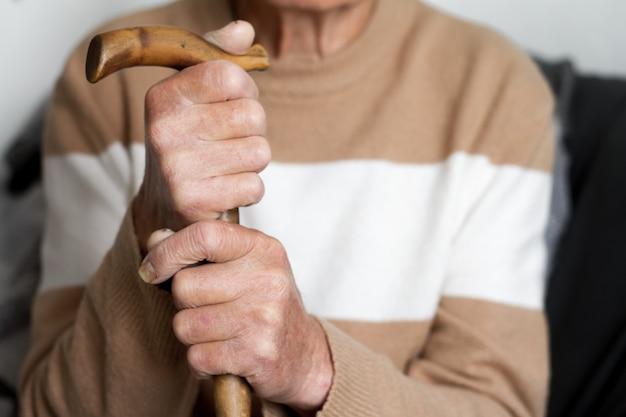
What is normal? Walking and moving can be difficult for those who experience injuries or have arthritis of joints in their legs and arms or shoulders.
-
Constipation

What is normal? Constipation is a common condition for elderly as the bowel movement will decrease as they age. It is also a common condition for those who do not consume enough water or fibre in their diet or if they are taking certain medication or supplements that may cause constipation to be likely.
-
A soft or low voice

What is normal? A chest cold or other viral infections may cause you sound different, it will return to normal once you fight off the infection.
-
Mad and serious look on the face

What is normal? Some medications can cause you to have the same type of serious or staring look, but you may return to normal look once the medication is withdrawn.
-
Dizziness or fainting

What is normal? Some may experience dizziness when they stand up from a sitting or lying position, but if it happens too frequently you should visit a doctor and find out the exact cause.
-
Stooping or hunching over

What is normal? For people with bone problems, this might be normal for them. Also, if you have pain from an injury it might cause you to stand crookedly.
Treatment
The lack of dopamine is replaced with medications in order to compensate for the lack in of the hormone levels. Examples of Parkinson’s medication that are available in Malaysia are:
-
Sinemet® (Levodopa + Carbidopa)
-
Madopar® (Levodopa + Benserazide)
Learn more about Parkinson’s disease treatment here.
All in all
Having one of the signs of Parkinson’s disease above does not mean that you are diagnosed with Parkinson’s disease. However, it is crucial to detect any early signs of Parkinson’s and talk to a doctor immediately. Early detection offers an opportunity for early diagnosis and treatment, in order to slow down the disease progression. DOC2US (talk-to-us) now!
Written by DOC2US Editorial Team,
Medically reviewed by Ashwini Nair, MB BCh BAO.
References:
1. Parkinson’s Disease. National Institute on Aging. Accessed April 2, 2022. https://www.nia.nih.gov/health/parkinsons-disease
2. 10 Early Signs of Parkinson’s Disease. Parkinson’s Foundation. Accessed April 2, 2022. https://www.parkinson.org/understanding-parkinsons/10-early-warning-signs
]]>While a heart-shaped box of chocolates may seem like the opposite of healthy, experts say it’s less about the occasional small indulgence and more about making good everyday food choices.
So what’s with the hype of dark chocolate?
As preventive cardiologist Dr. Suzanne of Lenox Hill Hospital puts it,
“When looking for a sweet snack, a square of dark chocolate might, in fact, be your healthiest choice!”
So let’s delve deeper into exactly why a little dark chocolate is more than just a tasty cure for that sweet-tooth cravings.
Dark Chocolate lowers risk of Heart Disease- REALLY?
Most dark chocolate is high in flavonoids, particularly a subtype called flavanols associated with a lower risk of heart disease.

According to Cleveland Clinic, research has shown that flavanols consuming more dietary flavonoids have a very positive effect on heart health by helping lower blood pressure and improve blood flow to the heart as well as the brain. In addition to that, flavanols can also help make blood platelets less sticky and able to clot, reducing the risk of blood clots and stroke.
According to a study published in International Journal of Cardiology, subjects who consumed a daily dose of flavanoid-rich dark chocolate for two weeks showed significant improvement with heart circulation in healthy adults, while on the other hand, those who were given only white chocolate with zero flavanoids showed no positive health effects.
Another study published in 2015 concluded that
“Cumulative evidence of 20,000 people over the course of 11 years suggests that higher chocolate intake is associated with a lower risk of future cardiovascular events.”
Besides posing great benefits for cardiovascular protection, dark chocolates also have tons of other health benefits, some of which are:
-
Protection from disease-causing free radicals (due to its high antioxidant content)
-
Potential cancer prevention
-
Good for overall cholesterol profile
-
Improve cognitive function
-
Lowers blood pressure
-
Decreased fasting blood sugar
-
Potential vision booster
Not bad at all for a dessert that has a bad reputation and known for causing weight gain among chocolate lovers (especially on the month of February – if you know what I mean).
Are all types of chocolate healthy?
Before you grab a chocolate candy bar, it’s important to first understand that not all forms of chocolate contain high levels of flavanols.
Cocoa comes from flavanols and naturally has a very distinctive strong, pungent taste. When cocoa is processed into your favorite chocolate products, it goes through several steps to reduce that taste. And the catch is that the more chocolate is processed (through things like fermentation, alkalizing, roasting, etc.), the more flavanols are lost.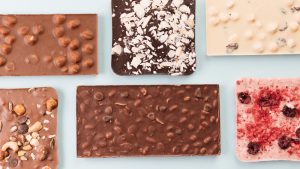
Although it was once believed that dark chocolate contained the highest levels of flavanols, recent research indicates that, depending on how the dark chocolate was processed, this may not be true. But for now, your best choices are likely dark chocolate over milk chocolate (especially ones that are loaded with other fats and sugars).
How much dark chocolate should I consume?
A standard bar of dark chocolate with 70% – 85% cocoa contains about 600 calories and 24 grams of sugar, according to the US Dept of Agriculture’s nutrient database. On the other hand, milk chocolate contains roughly the same number of calories but twice the sugar.
It is recommended to buy a minimally processed dark chocolate with cocoa content of at least 70% as it contains the most powerful antioxidants and least amount of sugar.
Watch out also for those extra ingredients that can add lots of extra fat and calories.
Currently, there isn’t any established serving size of chocolate to help you reap the cardiovascular benefits it has to offer, as more research is needed in this area.
However, you do not need to feel guilty for enjoying a small piece of dark chocolate once in a while.
So for now, you can enjoy moderate portions of chocolate eg. 7 grams ( 0.25 ounce) a few times per week, alongside with other flavonoid-rich foods like apples, red wine, green tea, and cranberries.
Just remember, moderation is key.
References:
-
www.heart.org. (2019). Are there health benefits from chocolate?. [online] Available at: https://www.heart.org/en/news/2019/02/12/are-there-health-benefits-from-chocolate [Accessed 9 Apr. 2019].
-
Cleveland Clinic. (2019). Chocolates & Heart Health | Cleveland Clinic. [online] Available at: https://my.clevelandclinic.org/health/articles/16774-heart-healthy-benefits-of-chocolate [Accessed 9 Apr. 2019].
-
Price, A. (2019). Benefits of Dark Chocolate You Won’t Believe – Dr. Axe. [online] Dr. Axe. Available at: https://draxe.com/benefits-of-dark-chocolate/ [Accessed 9 Apr. 2019].
-
Stomach cramps (usually around or below the belly button)
-
Bloating
-
Flatulence, i.e. feel ‘gassy’
-
Constantly passing gas
-
Nausea
-
Diarrhea (often it is bulky, foamy, and watery)
The severity of your symptoms and when they appear depends on the amount of lactose you have consumed. Some people may still be able to drink a small glass of milk without triggering any symptoms, while others may not even be able to have milk in their tea or coffee.
What causes lactose intolerance?
In people who do not have lactose intolerance, the body makes an enzyme called lactase that breaks down lactose, the main form of sugar found in milk. In people who do have lactose intolerance, the body either does not make enough of the enzyme (lactase deficiency), or the enzyme does not work as well as it should. As a result, the lactose is not broken down properly and stays in the digestive system, where it’s fermented by bacteria. This leads to the production of various gases, which cause the symptoms associated with lactose intolerance.
Lactose intolerance is closely linked to genetics, prematurity in babies, or underlying intestinal diseases. Depending on the underlying reason on why the body is not producing enough lactase, lactose intolerance may be temporary or permanent. Most cases that develop in adults are inherited and tend to be lifelong, but cases in young children are often caused by an infection in the digestive system and may only last for a few weeks.
Lactose intolerance is NOT a food allergy
Indeed, there is such a thing as dairy allergy, but the symptoms of a dairy allergy are often different from those of lactose intolerance. In the case of an allergy, the body reacts to the protein in milk, rather than to the sugar. Food allergies like dairy allergy involve the body’s immune system, whereas lactose intolerance does not. As a result, food allergies like dairy allergy can trigger symptoms such as rash, wheezing and itching; and even a tiny bit of dairy can trigger a reaction.
How can I test for lactose intolerance?
If you suspect yourself having lactose intolerance, see a doctor for a test. There are two ways to test for lactose intolerance:
-
Lactose hydrogen breath test – For this test, you drink a liquid that has high levels of lactose in it. Then you breathe into a special machine every 30 minutes. The machine measures how much hydrogen you breathe out. People who have lactose intolerance breathe out more hydrogen than normal which indicates that you are not fully digesting and absorbing lactose as you should.
-
Lactose tolerance test – For this test, you will drink a liquid that has high levels of lactose in it. The doctor will then take your blood samples 2 hours after the test to measure the amount of glucose circulating in your bloodstream. If your blood has low levels of sugar after that drink means you probably are not fully digesting and absorbing the lactose and you have lactose intolerance.
Your doctor will tell you how to prepare for your test. You will not be able to eat or drink anything for several hours before the test. Plus, you might have to change your medicines or stop smoking for a while before the test.
Health effects of lactose intolerance
The lack of lactase not only triggers uncomfortable and embarrassing symptoms when you eat dairy, it can also lead to certain nutritional deficiencies. This is because milk and other dairy products contain calcium, protein and vitamins, such as A, B12 and D. The lactose in dairy foods also helps your body absorb a number of other minerals, such as magnesium and zinc. Collectively, these nutrients are important for bone health as well as your general well-being. If you’re lactose intolerant, getting the right amount of important vitamins and minerals can be tricky, and you’re at risk for osteoporosis and malnutrition.
Treating lactose intolerance
Addressing the underlying issue in those with lactose intolerance may reinstate the body’s capacity to digest lactose, although it might take a while to achieve this. The objective of managing this condition is to manage the symptoms by dietary adjustments.
Lactose intolerance sufferers may generally be able to discover a certain level of lactose-containing meal that does not cause them symptoms by trial and error. Alternatively, you can choose to adopt lactose free-diet and then re-introduce small amounts of lactose gradually to discover the degree of tolerance you have towards lactose.
Avoiding dairy foods & finding alternatives which are rich in Vitamin D and calcium – this is perhaps the most straightforward approach to treat lactose intolerance, although it’s a bummer that one may not be able to enjoy the goodness of dairy products as freely. You can work with a nutritionist to devise a diet plan that is suitable for you, learn which food contains dairy and still make sure you have adequate intake of calcium and vitamin D in your diet. Also, when buying food, check the ingredients and watch out for these labels:
-
Milk, “milk byproducts,” “dry milk powder,” and “dry milk solids”
-
Lactose
-
Whey (whey is milk that has gone sour)
Enzyme supplements
You can consult a community pharmacist on which enzyme supplements you can take to help break down dairy. Of course, they’re no magic bullet – none of them can break down every last bit of lactose you ingest, and so some people still have symptoms even with the help of an enzyme supplement. But taking enzyme supplements may help you cope with the after effects of dairy products better.
Vitamin D and calcium dietary supplements
If you avoid dairy products completely, you may need to take vitamin D and calcium dietary supplements. Talk to a healthcare professional to check whether you really need such supplementation.
Medically reviewed by Ashwini Nair, MB BCh BAO.
References:
1. Patient education: Lactose intolerance (The Basics) – UpToDate. Accessed May 28, 2022. https://www.uptodate.com/contents/lactose-intolerance-the-basics?search=lactose%20intolerance&source=search_result&selectedTitle=2~150&usage_type=default&display_rank=2
2. Lactose intolerance and malabsorption: Clinical manifestations, diagnosis, and management – UpToDate. Accessed May 28, 2022. https://www.uptodate.com/contents/lactose-intolerance-and-malabsorption-clinical-manifestations-diagnosis-and-management?search=lactose%20intolerance&source=search_result&selectedTitle=1~150&usage_type=default&display_rank=1
]]>
ABOUT STROKE
Generally, a stroke happens when the blood vessel in the brain is blocked causing insufficient blood flow to the brain cells. When the brain cells do not receive enough nutrients and oxygen, they die off. There are 3 types of stroke:
-
Ischemic stroke
Ischemic stroke is the most common type of stroke which is likely caused by high blood cholesterol levels. A cholesterol plaque is formed inside the blood vessels supplying the brain. Over time, the plaque gets bigger and the blood supply to the brain gets clogged or cut off completely.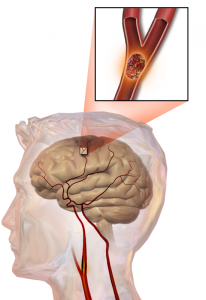
-
Hemorrhagic stroke
Commonly caused by uncontrollably high blood pressure. The blood vessel breaks open and starts bleeding into or around the brain tissues. This can lead to increased pressure buildup within the enclosed skull space, causing damage to the brain. Also, blood surrounding the brain tissue can be a source of irritants can causing the tissues to swell.
-
Mini stroke—transient ischemic attack
It happens when the blood flow to the brain is blocked temporarily. It is a milder version of a stroke that does not damage the brain and the symptoms only last for a short amount of time. With that being said, people who experience TIA must receive medical attention as they are at higher risk for future ischemic stroke. Medical treatment should be initiated to prevent a future stroke from happening.
SYMPTOMS OF STROKE
The common symptoms would be:
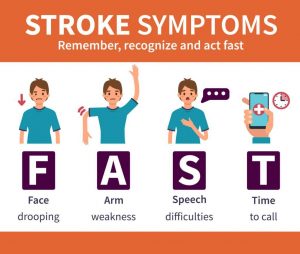
WHAT TO EXPECT AFTER A STROKE?
If you have had a stroke, you can make great progress in regaining your independence. However, some problems may continue:
- Paralysis (inability to move some parts of the body), weakness, on one or both sides of the body
- Trouble with cognition, awareness, attention, learning, judgment, and memory
- Problems understanding or forming speech
- Trouble controlling or expressing emotions
- Numbness or strange sensations
- Pain in the hands and feet that worsens with movement and temperature changes
- Trouble with chewing and swallowing
- Problems with bladder and bowel control
- Depression
MEDICINES AFTER STROKE
It will be a great mistake to regard stroke as a one-off event. If you have had a stroke, you are at high risk for another stroke. That’s why it is important to treat the causes of stroke, which includes
- Heart disease
- High blood pressure
- Atrial fibrillation (fast, irregular heartbeat)
- High cholesterol
- Diabetes
Different types of stroke are treated differently.
Treatment for ischemic stroke
Many people who have had a stroke or TIA take 3 medicines or more. That might seem like a lot, but each of them does a different job.
- Blood thinner – reduce the chance of blood clot formation.
- Medicines that lower blood pressure – help prevent the damage to blood vessels caused by high blood pressure. These medicines also help make sure the brain gets all the blood it needs.
- Medicines that lower bad cholesterol levels – reduce the chance of cholesterol plaque formation.
Treatment for hemorrhagic stroke
If the CT scan or MRI shows a hemorrhagic stroke, your doctor might:
- Stop any medicines such as blood thinners or medication that delay clotting.
- Give you medications and/or treatments that reduce brain damage caused by the bleeding.
- Give you medications to lower your blood pressure, if your blood pressure is too high.
- Carry out further tests to figure out the cause of the bleeding.
- Monitor the pressure in your brain to make sure that it doesn’t get too high.
Some people are also treated with surgery, depending on the severity of the symptoms and other factors such as other underlying medical conditions. Doctors can do surgery to:
- Remove a collection of blood, if it is pressing down on the brain or causing the brain to swell.
- Stop the bleeding in the brain and fix the blood vessel that is bleeding.
In the long run, physiotherapy is also provided to stroke survivors to help them regain mobility, increase muscle strength and prevent muscle wasting.
Here are just a few examples of how rehabilitation services could help you:
- If you can no longer walk very well, a physical therapist (exercise expert) can show you ways to improve the way you walk. They can also recommend braces, canes, and other devices that might make it easier and more confident for you to walk.
- If you can no longer swallow well, a speech and language therapist can teach you to do exercises that might improve how you swallow. They can also offer tips on how to cope with swallowing problems. For instance, the therapist might suggest you add powders or other ingredients to the liquids you drink, so that they are thick and less likely to go down the wrong way.
- If you can no longer hold your toothbrush to brush your teeth, an occupational therapist can show you new ways of holding your brush, so that you can use it.
- If you are depressed because you had a stroke, a psychiatrist (a doctor who specializes in mental health) can prescribe medicines to treat depression. They can also talk to you about the way you feel about the stroke.
WHAT ARE THE CHANCES OF FULL RECOVERY AFTER A STROKE?
The chances of making a full recovery depend on a lot of factors, such as:
- How large was the impact of the stroke
- Which part of the brain was damaged by the stroke
- Age of the person (younger people tend to recover better than older people)
- What other medical problems a person has (such as heart failure or cancer)
- Whether the person was sick before the stroke happened
- How soon was the person treated following the stroke
Scientists used to think that when a part of the brain was damaged, there was no way to recover what was lost. It turns out that is not true. The brain can adapt and recover some functions. The most important thing you can do to help make this happen is to stick with rehab and do all the exercises and therapies your healthcare team recommends. Also, be patient. It takes time to heal and learn new ways to cope, but hard work and patience will pay off.
HOW CAN I PREVENT ANOTHER STROKE?
Other than taking medicines as instructed by your doctor, it is also important to adopt healthy lifestyle habits.
- Have a low salt diet. WHO recommends less than 5 grams (1 teaspoon) of salts per day.
- Lose that extra weight. Obesity, as well as the complications linked to it (including high blood pressure and diabetes), raises your odds of having a stroke.
- Stay physically active. Exercise at a moderate intensity at least five days a week. This can be as effortless as taking a walk around your neighbourhood or taking the stairs instead of an elevator.
- Drink alcohol moderately. Strive to have no more than one glass of alcohol a day.
- Quit smoking if you are a smoker. Smoking accelerates clot formation in a couple of different ways.
ALL IN ALL
Stroke is a serious health issue, and recovery can take a lot of time, effort, and patience. You must take whatever medications are prescribed to you by your doctor, exactly as directed. Do not forget to adopt and maintain good lifestyle habits, as they greatly decrease the risk of getting another stroke.
Medically reviewed by Ashwini Nair, MB BCh BAO.
References:
- Patient education: Stroke symptoms and diagnosis (Beyond the Basics) – UpToDate. Accessed April 27, 2022. https://www.uptodate.com/contents/stroke-symptoms-and-diagnosis-beyond-the-basics?search=patient%20education%20stroke&source=search_result&selectedTitle=7~150&usage_type=default&display_rank=7
- Patient education: Hemorrhagic stroke (The Basics) – UpToDate. Accessed April 27, 2022. https://www.uptodate.com/contents/hemorrhagic-stroke-the-basics?search=patient%20education%20stroke&source=search_result&selectedTitle=2~150&usage_type=default&display_rank=2
- Overview of secondary prevention of ischemic stroke – UpToDate. Accessed April 27, 2022. https://www.uptodate.com/contents/overview-of-secondary-prevention-of-ischemic-stroke?search=overview%20of%20secondary%20prevention%20of%20ischemic%20rtoke&source=search_result&selectedTitle=1~150&usage_type=default&display_rank=1
- 7 things you can do to prevent a stroke. Harvard Health. Published June 1, 2013. Accessed April 27, 2022. https://www.health.harvard.edu/womens-health/8-things-you-can-do-to-prevent-a-stroke
- Patient education: Recovery after stroke (The Basics) – UpToDate. Accessed April 27, 2022. https://www.uptodate.com/contents/recovery-after-stroke-the-basics?search=patient%20education%20stroke&source=search_result&selectedTitle=3~150&usage_type=default&display_rank=3#H6591102
- CDC. Treat and Recover from Stroke | cdc.gov. Centres for Disease Control and Prevention. Published April 5, 2022. Accessed April 26, 2022. https://www.cdc.gov/stroke/treatments.htm
Symptoms of hand, foot and mouth disease
The main symptoms are sores in the mouth, and on the hands, feet, buttocks, and sometimes genitals. They can look like small spots, bumps, or blisters. Symptoms often appear three to seven days after being infected and might persist for seven to ten days. Some children may also develop fever too.
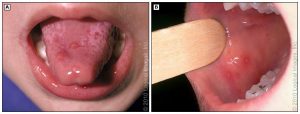
The sores in the mouth can make swallowing food and liquid to be painful causing poor appetite and reduced oral intake. The sores on the hands and feet might sometimes be painful too. Not every person gets them on all the specified areas.
How does hand, foot and mouth disease spread?
The virus that causes HFMD can travel in body fluids of an infected person. For example, the virus can be found in:
-
Mucus from the nose
-
Saliva
-
Fluid from one of the sores
-
Traces of bowel movements (in the poo) for several weeks after having recovered from the infection
People with HFMD are most likely to spread the infection during the first week of their illness. But the virus can live in their body for weeks or even months after the symptoms have gone away.
Is there a test for hand, foot and mouth disease?
Yes, but it is not usually necessary. The doctor should be able to tell if a child has it by learning about their symptoms and performing a physical examination.
When should your children visit the doctor?
You should call the doctor if your child
-
is drinking less than usual with very dry mucosa (tongue)
-
has not had a wet diaper for 4 to 6 hours (for babies and young children)
-
has not pass urine, very little,concentrated urine in the past 6 to 8 hours (for older children).
-
is inactive, sleeping all the time, condition seems to be getting worsening, or not or is not getting better after a few days.
How is hand, foot and mouth disease being treated?
HFMD is usually self-limiting and it usually goes away on its own within about a week. But children who are in pain can take over-the-counter medicines such as paracetamol (sample brand name: Panadol) or ibuprofen (sample brand names: Brufen) to relieve pain and discomfort they are experiencing. Never give aspirin to a child younger than 18 years. In children, aspirin can cause a serious problem called Reye syndrome. HFMD is caused by viruses and hence, antibiotics will not be effective to be used for this infection. Blisters should be left to dry naturally and do not pierce or squeeze them. Since HFMD is easily contagious from one person to another, it is important to nurse the child unwell person from other family member, especially other younger children at home.
The sores in the mouth can make swallowing painful, so some children might not want to eat or drink. It is important to make sure that children get enough fluids so that they don’t get dehydrated. Cold foods, like popsicles and ice cream, can help to numb the pain. Soft foods, like pudding and gelatin, might be easier to swallow in this situation.
Prevention of hand, foot and mouth disease
The most important thing you can do to prevent the spread of this infection is to wash your hands often with soap and water, even after the child is feeling better. Teach children to wash their hands often, especially after using the bathroom.
It is also important to keep your home clean and to disinfect tabletops, toys, and other things that a child might touch. Make sure your child does not share items such as cutlery, drinking cups, towels, toothbrushes.
If a child has hand, foot, and mouth disease or herpangina, keep them out of school or day care, especially if they have a fever or do not feel well enough to go. You should also keep the child home if they are drooling a lot or have open sores (wait until the blisters are completely dried off).
Medically reviewed by Ashwini Nair, MB BCh BAO.
References:
1. Guerra AM, Orille E, Waseem M. Hand Foot And Mouth Disease. In: StatPearls. StatPearls Publishing; 2022. Accessed May 28, 2022. http://www.ncbi.nlm.nih.gov/books/NBK431082/
2. Patient education: Hand, foot, and mouth disease and herpangina (The Basics) – UpToDate. Accessed May 28, 2022. https://www.uptodate.com/contents/hand-foot-and-mouth-disease-and-herpangina-the-basics?search=hand%20food%20mouth&source=search_result&selectedTitle=3~150&usage_type=default&display_rank=3
]]>In addition, glucosamine helps to promote the production and increase the viscosity of synovial fluid, lubricant found in the joint space which acts as a cushion. This helps to maintain your joint health, thus relieving the pain and slows down the degenerative process.
However, as we age, the levels of glucosamine in our body drops, leading to the gradual breakdown of the cartilage and reduced synovial fluid production which causes osteoarthritis. Hence, glucosamine supplement is recommended to old-aged people or whoever is suffering from joint problems.
What is the scientific evidence about glucosamine?
Before we discuss the evidence about glucosamine, it is useful to know the different salt forms of glucosamine:
-
Glucosamine sulphate/sulfate, the most common form
-
Glucosamine hydrochloride
-
N-acetyl glucosamine
These supplements are not interchangeable. Some forms have better evidence in treating a certain condition than the other. Studies have shown that glucosamine sulphate is integral in cartilage formation and it is usually combined with other ingredients such as chondroitin sulphate.
Osteoarthritis
Glucosamine is well-known for its use to ease joint. But just how true is that?
There is a mix of evidences in terms of the effectiveness of glucosamine in treating knee pain. It is common to hear that glucosamine may work well for some people but not everyone. Hence, if you have unbearable knee pain, and taking glucosamine for long-term does not work for you, do discuss with your doctors on other types of treatment options available for osteoarthritis which includes: steroid injections, NSAIDs, COX-2 inhibitor (a type of painkiller) and hyaluronic acid injections.
Dose and instructions
The usual dosage of glucosamine is 1500 mg per day. It can either be taken in one dose as 1500mg or split into three doses, with 500 mg each dose, three times daily.
You are encouraged to take glucosamine with meals to reduce gastrointestinal irritation.
There are various dosages available in the market: pure powder, capsules and tablets. For powder form, dissolve it in a glass of water and drink it. As for capsules and tablets, take it with a full glass of water.
If you forget to take your glucosamine, take it as soon as you remember. If it is almost time for your next dose, wait until then to take the medicine. Do not double the dose.
How long should you take glucosamine for it to take effect?
It is important to manage your expectations when taking glucosamine for joint pain. Glucosamine is not a painkiller, therefore you may only observe improvement after taking it for an extended period of time.
For severe knee pain, it is usually recommended to take 500 mg three times daily for at least 8 weeks. If your condition improves, you may take 500 mg two times daily (according to your doctor’s advice) for another 3-4 months, based on the severity and also your response to the treatment given.
Special precautions
If your joints hurt and there’s no prior diagnosis from a doctor, please see a doctor first. It’s important to find out what’s causing your joint pain. Some diseases that cause joint pain—such as rheumatoid arthritis—may need immediate treatment. There is no evidence that glucosamine works for rheumatoid arthritis or any other conditions.
Some studies suggested that glucosamine may alter glucose tolerance and increase insulin resistance. In other words, glucosamine may reduce the effectiveness of treatment in some diabetic patients. While the connection is not fully established yet, it is encouraged that diabetic patient who takes glucosamine should monitor their blood sugar level carefully and adjust their dose of insulin accordingly, under the supervision of doctor or pharmacist.
If you are taking blood thinners such as warfarin, glucosamine may increase the anticoagulant effect, thereby raising the risk of bleeding. Therefore, you should notify your doctor or pharmacist about this before taking glucosamine.
If you’re pregnant or breastfeeding, it’s especially important to talk to your doctor before taking any medication or supplement, including glucosamine or chondroitin.
Medically reviewed by Ashwini Nair, MB BCh BAO.
References:
1. Norliza. Glucosamine. PORTAL MyHEALTH. Published January 27, 2014. Accessed May 13, 2022. http://www.myhealth.gov.my/en/glucosamine-2/
2. Fox BA, Schmitz ED, Wallace R, Fox BA, Schmitz ED. Glucosamine and Chondroitin for Osteoarthritis. Am Fam Physician. 2006;73(7):1245.
]]>