
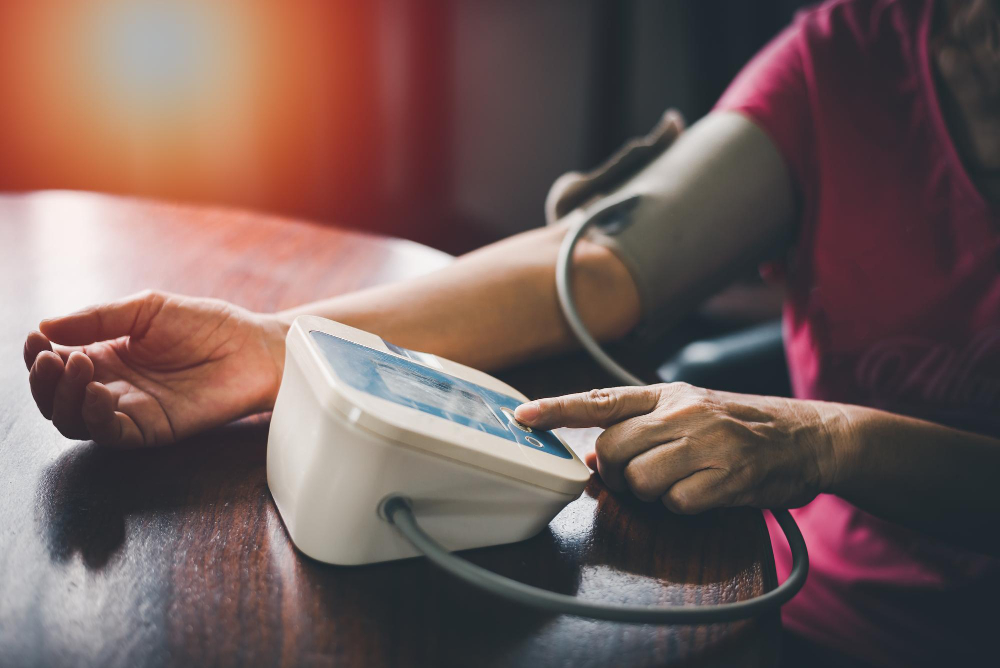
Hypertension, or high blood pressure, is a highly common medical condition. If you’re approaching or currently in your middle age, chances are you have high blood pressure, or know someone who does.

However, the fact that it’s common doesn’t mean that one should take it lightly: hypertension is the leading risk factor for cardiovascular disease and deaths worldwide. Take Malaysia for example: 6.4 million people in Malaysia have hypertension and only half of them are aware that they have the disease. Among these people who are aware, although 90% of them are having medical treatment, only 45% have their blood pressure controlled.
The prevalence of hypertension is rising globally owing to ageing of the population and poor lifestyle choices including unhealthy diets (i.e. high sodium and low potassium intake) and lack of physical activity.
WHAT IF YOUR HYPERTENSION IS UNTREATED?
Hypertension is called a “silent killer” for a reason: it produces little or no symptoms at first. You may feel perfectly fine even if you have hypertension. However, the consequences may catch up sooner or later if you don’t do something about it.

Untreated hypertension can lead to many serious consequences, such as:
Stroke
Scientists found that as blood pressure rises above 110/75 mmHg, the risk of heart diseases and stroke increase gradually. Medical treatment for high blood pressure is therefore crucial. Studies have shown that long-term hypertension treatment can bring about 35 to 40 percent reduction in stroke risk.
Chest pain (angina) and heart attack
Heart attack occurs when the blood supply to the heart is blocked and heart muscle cells die from lack of oxygen. The longer the blood flow is blocked, the greater the damage to the heart.
Intracerebral haemorrhage
It is the bleeding within the brain tissue, which can in turn lead to another type of severe stroke called a haemorrhagic stroke
Heart failure
Heart failure is a progressive disease with a very high death rate. Even if one doesn’t die of heart failure, the symptoms of heart failure can be unbearable that they lose the enjoyment in life.
Chronic kidney disease (CKD)
If you have CKD, it means that your kidney doesn’t work well. This can bring about many other health problems as the kidney is the main filter for our body. CKD cannot be cured or reversed; it can only be slowed down. Once the performance of your kidney further deteriorates, you’ll eventually experience end-stage kidney disease, in which your kidney fails and you now may require dialysis to sustain your life.
IT’S NEVER TOO LATE TO CONTROL YOUR BLOOD PRESSURE
Hypertension can leave unimaginable consequences, fortunately it’s mostly preventable! Here are some prevention tips you can adopt:
-
Reducing salt intake (to less than 5g daily)
-
Eating more fruit and vegetables
-
Being physically active on a regular basis
-
Don’t smoke or quit smoking if you do
-
Reducing alcohol consumption
-
Limiting the intake of foods high in saturated fats
-
Eliminating/reducing trans fats in diet
If you’re a long-time reader of DOC2US, these tips are surely familiar to you. We all know what it takes to live a healthy lifestyle, the dealbreaker lies within our discipline to make them a habit.
My brain when faced with junk food with high sodium:
If you already have hypertension, do know that it cannot be cured and you’re required to be on a long-term treatment. With that being said, there are still things you can do to ensure the blood pressure is well-controlled, so that you can reduce the risk of complications mentioned above.
-
Reducing and managing mental stress
-
Regularly checking blood pressure – Invest some money into buying a registered, well-calibrated and high-quality automated blood pressure device from any pharmacy. You may consult the pharmacist for advice. To learn how to use the device properly, you may consult any healthcare professional or take a free online course here.
-
Treating high blood pressure – Remember to take your blood pressure medications as advised by the doctor or pharmacist, and attend your regular health check-up. Even if you find that your blood pressure has returned normal, do not stop taking medications, because if you do, the pressure will rise again.
-
Managing other medical conditions – Some medical conditions can also lead to high blood pressure, called secondary hypertension. Examples are obstructive sleep apnea, chronic kidney disease (yes, hypertension can cause CKD, but the relationship also goes the other way around), renal artery stenosis and primary aldosteronism. If you have any of these medical conditions, do make sure that you work with your healthcare provider to manage them well so that they don’t further worsen your hypertension.

Medications to look out for hypertension
Many people with hypertension have multiple diseases and are taking many different medications. Here are some medications that may worsen hypertension:
-
Birth control pill, particularly those containing higher doses of estrogen
-
Nonsteroidal antiinflammatory agents (NSAIDs), commonly used as painkillers and to reduce fever. The risk of hypertension is even higher for those who take NSAIDs for a long-term basis.
-
Corticosteroids, a medication that is commonly used to reduce inflammation, treat severe asthma and certain autoimmune diseases.
-
Sodium-containing antacids, which are commonly used to relieve heartburn and indigestion
-
Long-term use of decongestants that contain phenylephrine and pseudoephedrine
-
Antidepressants that include tricyclic antidepressants, selective serotonin reuptake inhibitors, and monoamine oxidase inhibitors
This is a non-exhaustive list. If you have hypertension and are taking any of the above medications, do not stop taking them immediately without your doctor’s advice. Instead, consult your doctor to discuss if these medications are really playing a big role in the worsening of your blood pressure control. Most people’s worsening blood pressure control is still due to poor lifestyle choices and not taking blood pressure medication as directed.

Written by DOC2US Editorial Team.
REFERENCES
- 2017 ACC/AHA/AAPA/ABC/ACPM/AGS/APhA/ASH/ASPC/NMA/PCNA Guideline for the Prevention, Detection, Evaluation, and Management of High Blood Pressure in Adults: A Report of the American College of Cardiology/American Heart Association Task Force on Clinical Practice Guidelines. doi:10.1161/HYP.0000000000000065
- Definition, risk factors, and evaluation of resistant hypertension – UpToDate. Accessed May 30, 2021. https://www.uptodate.com/contents/definition-risk-factors-and-evaluation-of-resistant-hypertension?search=Definition,%20risk%20factors,%20and%20evaluation%20of%20resistant%20hypertension&source=search_result&selectedTitle=1~150&usage_type=default&display_rank=1
- Hypertension. Accessed May 30, 2021. https://www.who.int/news-room/fact-sheets/detail/hypertension
- Overview of hypertension in adults – UpToDate. Accessed May 30, 2021. https://www.uptodate.com/contents/overview-of-hypertension-in-adults?search=Overview%20of%20hypertension%20in%20adults&source=search_result&selectedTitle=1~150&usage_type=default&display_rank=1